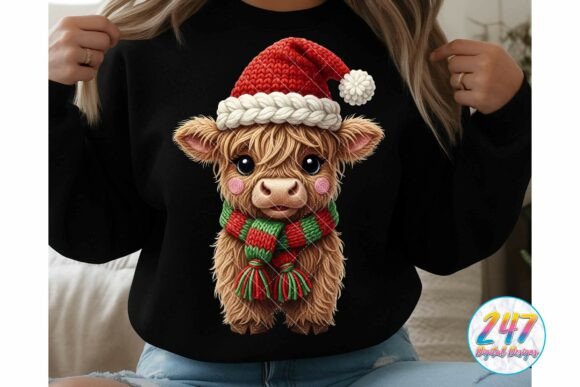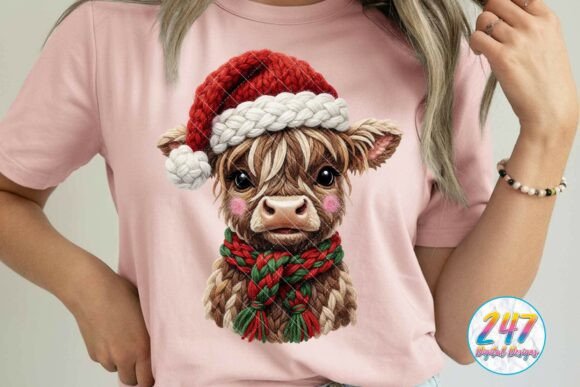
Highland Cow Crochet Faux Yarn Christmas Illustrations Review
As a digital publisher who has spent years refining the visual architecture of content websites, I know that the difference between a scroll-past and a click-through often comes down to one thing: visual cohesion. When we evaluate a new graphic design asset, we aren’t just looking at aesthetics; we are assessing its utility in a real-world publishing workflow. This is where my review of the Highland Cow Crochet Faux Yarn Christmas asset becomes relevant. It is not merely a cute picture; it is a strategic tool for editorial branding.
The First Impression: Editorial Mood and Reader Trust
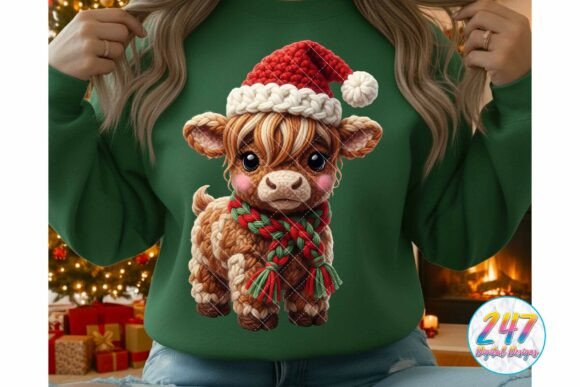
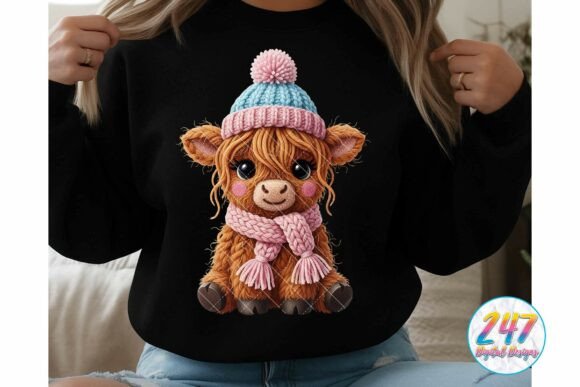
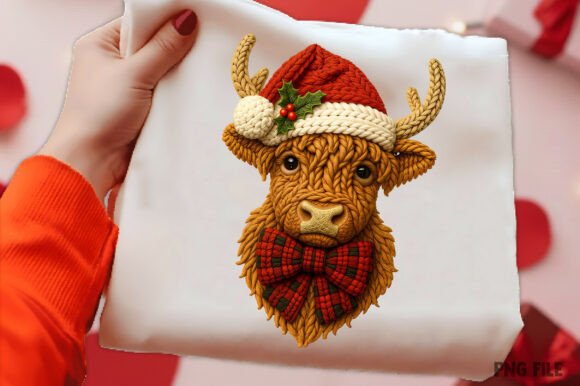
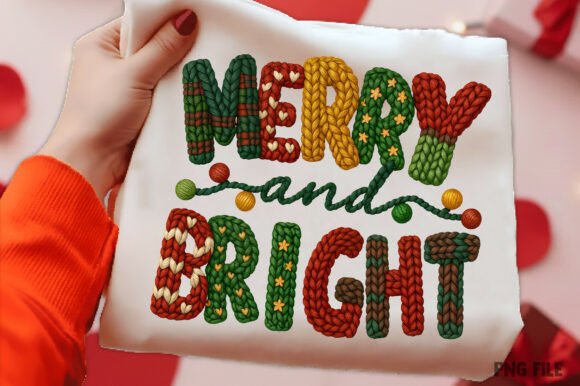
The immediate effect of this Illustrations pack is a distinct shift toward warmth and tactile comfort. In an era of flat, sterile vector art, the faux yarn texture introduces a layer of "digital haptics"—the viewer can almost feel the softness of the crochet stitches. For a content creator, this translates directly into perceived trust. Readers associate this cozy, handmade aesthetic with authenticity, care, and lifestyle-oriented values.
This asset naturally supports niches such as holiday crafting, winter lifestyle blogs, family-oriented parenting sites, and seasonal affiliate marketing campaigns. It creates a mood that is playful yet polished. It does not feel childish, nor does it feel overly corporate. Instead, it strikes a balance that is ideal for small business branding and creative entrepreneurs who want their content to feel approachable. The modern design sensibility ensures that while the subject matter is traditional (highland cows, Christmas themes), the execution feels fresh and contemporary enough for a sophisticated audience.
Real-World Publishing Applications
In my daily workflow, I rarely use images in isolation. Every design asset must serve multiple functions across different platforms. Here is how I integrate assets like Highland Cow Crochet Faux Yarn Christmas into a comprehensive content strategy:
- Blog Featured Images: These graphics provide an instant emotional hook. When used as a header for a post about holiday gift guides or DIY crafts, they set the tone before the reader even scans the headline.
- Pinterest Pins: Pinterest is a visual search engine. The high contrast and textured details of the crochet style stand out against the typical clean white backgrounds of other pins, improving click-through potential.
- Newsletter Graphics: Email open rates are driven by subject lines, but engagement is driven by body visuals. Using these illustrations in newsletter banners breaks up text blocks and adds personality to your content marketing efforts.
- Digital Guides and Lead Magnets: If you are creating a downloadable PDF, such as a "Holiday Hosting Checklist" or a "Winter Crafting Journal," these illustrations elevate the perceived value of the digital product.
- Social Media Previews: On Instagram or Facebook, these assets work well as standalone posts or within carousel templates. They reinforce a consistent brand identity across channels.
Supporting Content Performance and Visual Hierarchy
A common mistake publishers make is letting imagery compete with copy. A well-designed web design element should support the message, not distract from it. The Highland Cow Crochet Faux Yarn Christmas asset excels here because of its clear focal points. The round shapes and soft edges guide the eye without overwhelming the surrounding text.
By incorporating this asset, you establish a stronger visual hierarchy. The texture provides depth, which helps separate different sections of your page. For example, using these graphics as dividers between blog posts or as background accents for call-to-action buttons can significantly improve the user experience. It makes the content feel more curated and less like a generic template. This attention to detail signals professionalism, which is crucial for affiliate marketing pages where trust is the primary currency.
Optimal Placement Strategies
To get the most out of these creative design elements, consider the following placements:
- Hero Images: Use a large version on your homepage or category landing pages to create an immersive first impression.
- Article Thumbnails: Smaller versions work well in grid layouts, provided the main subject (the cow) remains visible.
- Editorial Accents: Use smaller icons or decorative elements to bullet-point lists or highlight key takeaways in long-form articles.
- Category Visuals: Assign specific variations of these illustrations to different blog categories (e.g., "Gift Ideas," "Decor," "Recipes") to aid in quick navigation.
Where Caution Is Required
No single asset fits every context. As a publisher, I advise exercising caution in the following scenarios:
- Small Mobile Thumbnails: At very small sizes, fine textures like crochet stitches can blur or become muddy. Always test these images at 100x100 pixels to ensure readability.
- Text-Heavy Blog Images: Avoid placing dense paragraphs of text over the detailed areas of the illustration. Use solid color overlays or negative space to maintain legibility.
- Low-Contrast Backgrounds: If your website theme uses light beige or cream backgrounds, the asset might lack the necessary pop. Ensure there is sufficient contrast to maintain visibility.
- Corporate or Serious Niches: While charming, this aesthetic may not align with financial news, legal advice, or hard-tech reviews. It is best reserved for lifestyle, home, and creative sectors.
Practical Publisher Notes for Implementation
Before adding any commercial design element to your site, follow this technical checklist to ensure performance and compliance:
1. Cross-Device Testing: View the asset on desktop, tablet, and mobile screens. Check how it scales. Does it retain its charm when cropped for a sidebar widget?
2. Typography Pairing: Experiment with font pairings. These illustrations look excellent alongside serif fonts for a classic editorial look, sans-serif fonts for a modern clean vibe, and script fonts for a personal, handwritten touch. Avoid pairing them with overly rigid display fonts that clash with the organic shapes.
3. File Size and Compression: Web performance is critical. Even if the image looks great, a large file size will slow down your site. Compress the images properly using tools like TinyPNG or ImageOptim. Aim for a balance between quality and load speed.
4. Color Consistency: Test the asset in black and white to check its structural integrity. Also, verify that the colors complement your existing brand palette. You can adjust hues slightly in your editor to match your site’s accent colors perfectly.
5. Licensing Verification: Finally, confirm your commercial license. Ensure you are permitted to use the asset on monetized websites, affiliate pages, and paid content products. Some marketplaces restrict usage on print-on-demand items or require extended licenses for high-volume distribution.
Conclusion
The Highland Cow Crochet Faux Yarn Christmas asset is more than just a seasonal decoration; it is a versatile component of a robust editorial design system. By integrating it thoughtfully into your blog graphics, social media graphics, and digital downloads, you enhance the overall polish of your online presence. It supports a narrative of warmth and creativity, helping you build a deeper connection with your audience. For bloggers and digital marketers looking to refresh their visual identity this season, this is a smart, effective investment in your content marketing toolkit.